I Survived Another Meeting That Could Have Been an Email
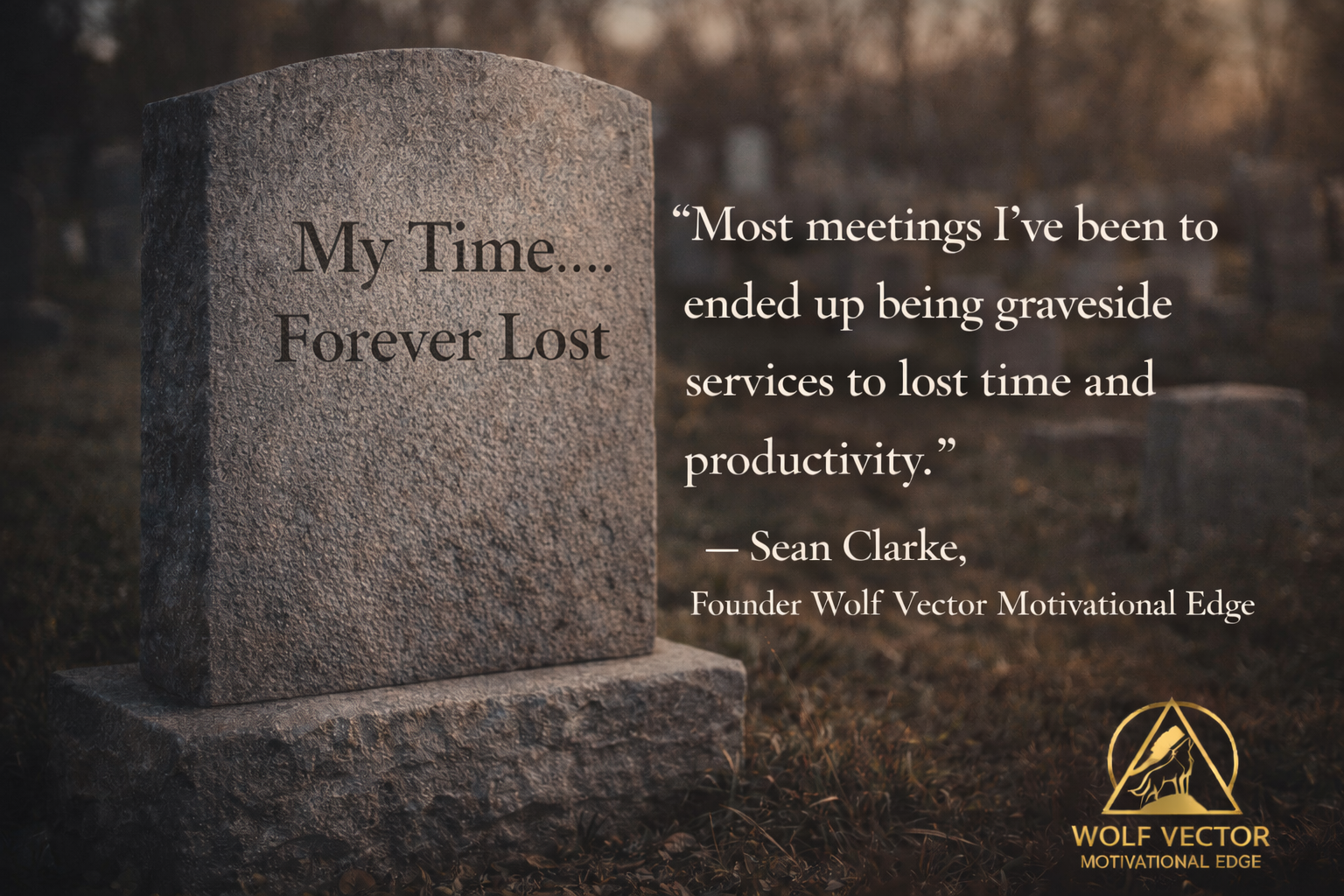
Make it stand out
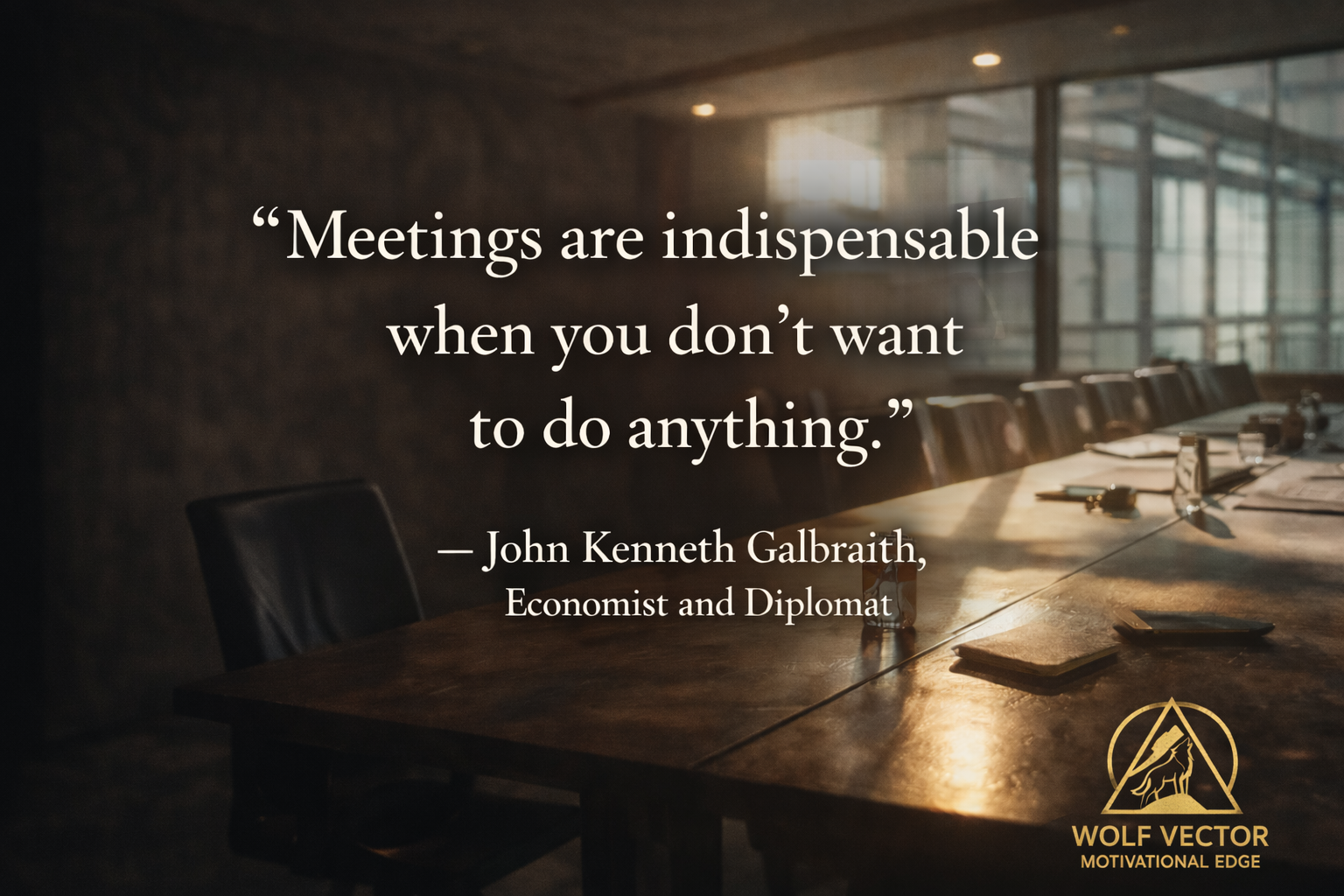
Economist and Diplomat John Kenneth Galbraith said it best:
"Meetings are indispensable when you don't want to do anything."
👉 The data confirms what most leaders already figured out: we’re meeting more than ever — and deciding less than ever.👈
Research from multiple reputable sources — including Harvard Business Review, Forbes, Microsoft’s Work Trend Index, and Atlassian — points to a consistent pattern:
⏱️ We spend ~10–12 hours per week in meetings — nearly a third of the workweek
📅 Leaders often exceed 20 hours per week in meetings
📈 Meeting volume has risen steadily for decades, accelerating with hybrid work
👥 Larger meetings drive lower participation and effectiveness — often dropping 20–40%
🧭 More than half of meetings end without clear next steps or ownership
In plain language:
we meet more, decide less, and then schedule another meeting.
One finding shows up everywhere:
Meeting attendance size matters.
As meetings grow in attendance, participation drops. A few voices dominate, accountability diffuses, and meetings quietly become spectator events instead of decision forums.
I’ll be honest — I used to enjoy those massive virtual meetings.
Not because they worked — but because they were predictable.
They were easy to listen to in the background, get real work done, and signal engagement with a well-timed question at the end.
That wasn’t disengagement.
That was adaptation — making a broken system work against itself.
In your next virtual meeting, take a moment to really look at the virtual meeting room. Notice who’s engaged, who’s multitasking, and who’s gone quiet.
That behaviour isn’t random.
It’s feedback.
Another uncomfortable truth from the research:
📨 Many meetings could have been avoided with a well-written email.
Much of what fills calendars today isn’t collaboration or decision-making.
It’s information transfer.
Status updates.
Read-outs.
“Keeping everyone in the loop.”
Work that never needed a meeting in the first place.
When our meetings:
• lack a clear purpose
• don’t require preparation
• don’t produce decisions
• don’t create accountability
👉 leaders should push back and ask one question:
“Why are we meeting?”
Because meetings should be where work gets done and hard decisions are made.
Not where energy, focus, and accountability quietly die.
