
Lived Leadership
Lived Leadership is an ongoing archive of leadership observations originally shared on LinkedIn. These posts capture short, deliberate reflections on leadership, responsibility, judgment, and follow-through—drawn from lived experience rather than theory.

Horses Don’t Tolerate Performative Leadership
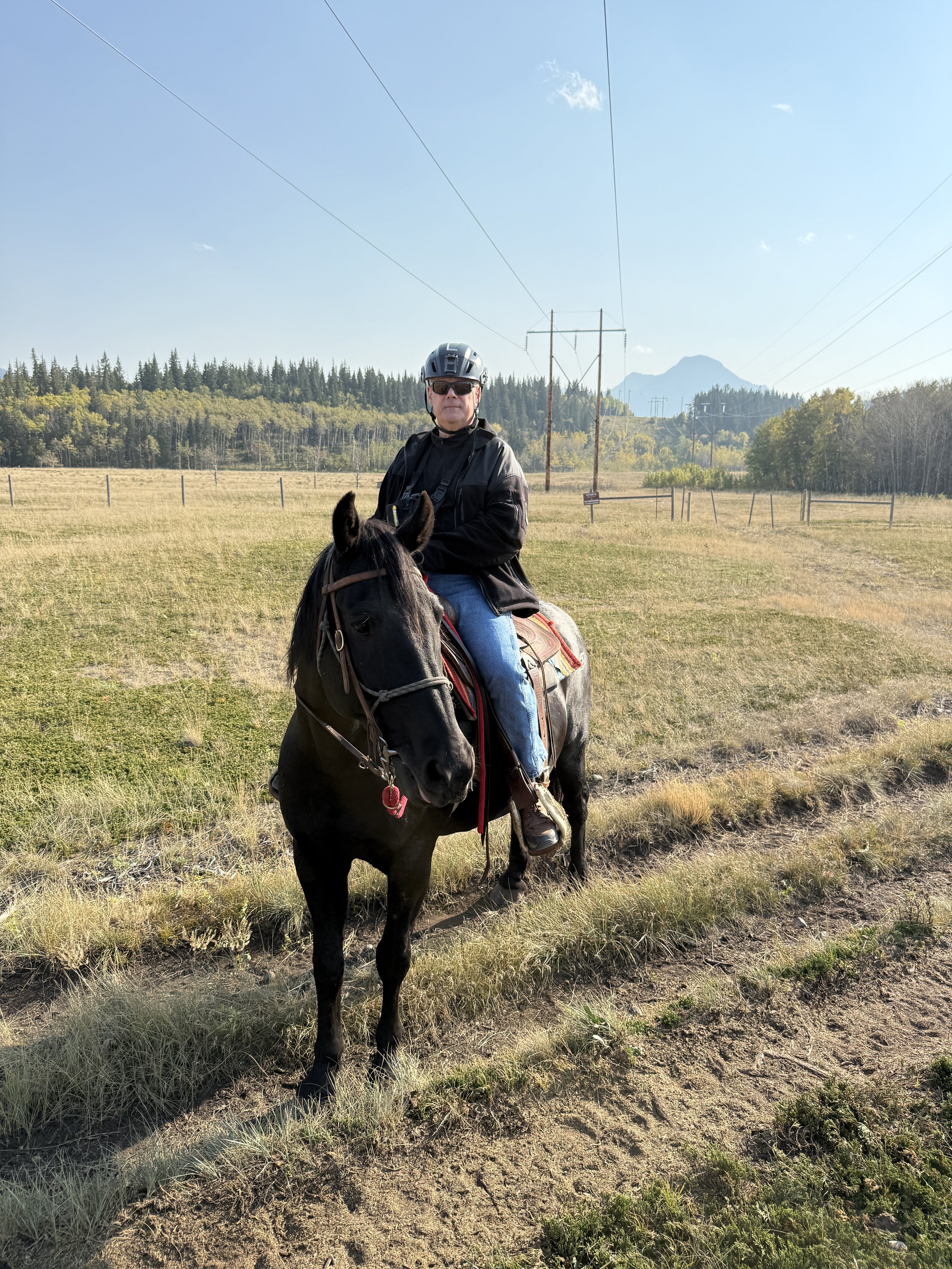
I didn’t learn the hardest lessons about leadership in boardrooms or briefing rooms.
I learned them riding horses.
Horses don’t care about intent, explanations, or the confidence you wish you had.
They respond to exactly how you show up — tense, distracted, grounded, or steady.
That’s what made the lesson uncomfortable.
Because it stripped away excuses leaders hide behind:
When things feel unstable, unclear, or broken, it’s often not the system.
It’s the leader’s internal state bleeding into the room.
This is a grounded, experience-based reflection on why leadership starts with self-control, emotional discipline, and presence — and why teams react to how leaders arrive long before they listen to what leaders say.

Confidence Comes From Street Smarts - Not Book Smarts
Most people think confidence comes from certainty, positive thinking, or having the right answers.
It doesn’t.
Real confidence is forged after embarrassment — when you misread a moment, react too fast, get humbled publicly, and still have to stand there and own it.
That’s where judgment gets built.
That’s where competence starts to form.
And that’s where confidence actually comes from.
This story isn’t about authority, control, or looking sharp in front of an audience.
It’s about how leaders are shaped under pressure — through mistakes, reflection, and the discipline to not repeat them.
Confidence isn’t taught.
It’s survived.
If Your Audience Does Not Understand the Message: You Failed!
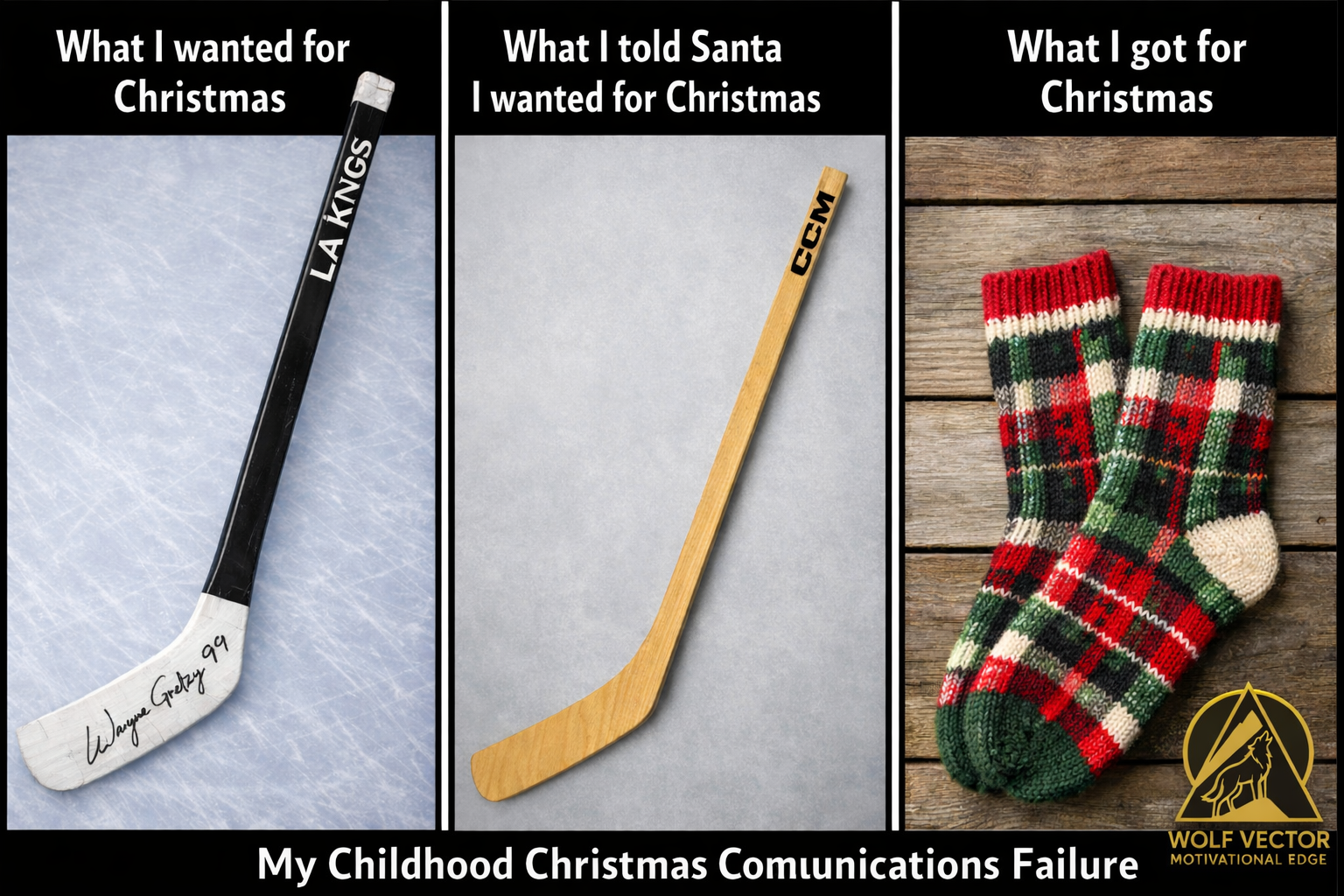
If your audience doesn’t understand your message, leadership didn’t fail quietly — it failed completely.
Most bad decisions don’t come from bad intent.
They come from communication that never landed.
Communication isn’t performance.
It isn’t clever wording, long decks, or what sounded good in your head.
It’s a simple exchange:
Someone needs to understand something well enough to decide or act.
When leaders build messages around what they want to say instead of what the receiver needs to do, understanding degrades.
And when understanding degrades, execution slows, fractures, or stops.
This is a practical, old-school look at why intent doesn’t matter if clarity never arrives — and what leaders must do differently if they expect action instead of confusion.
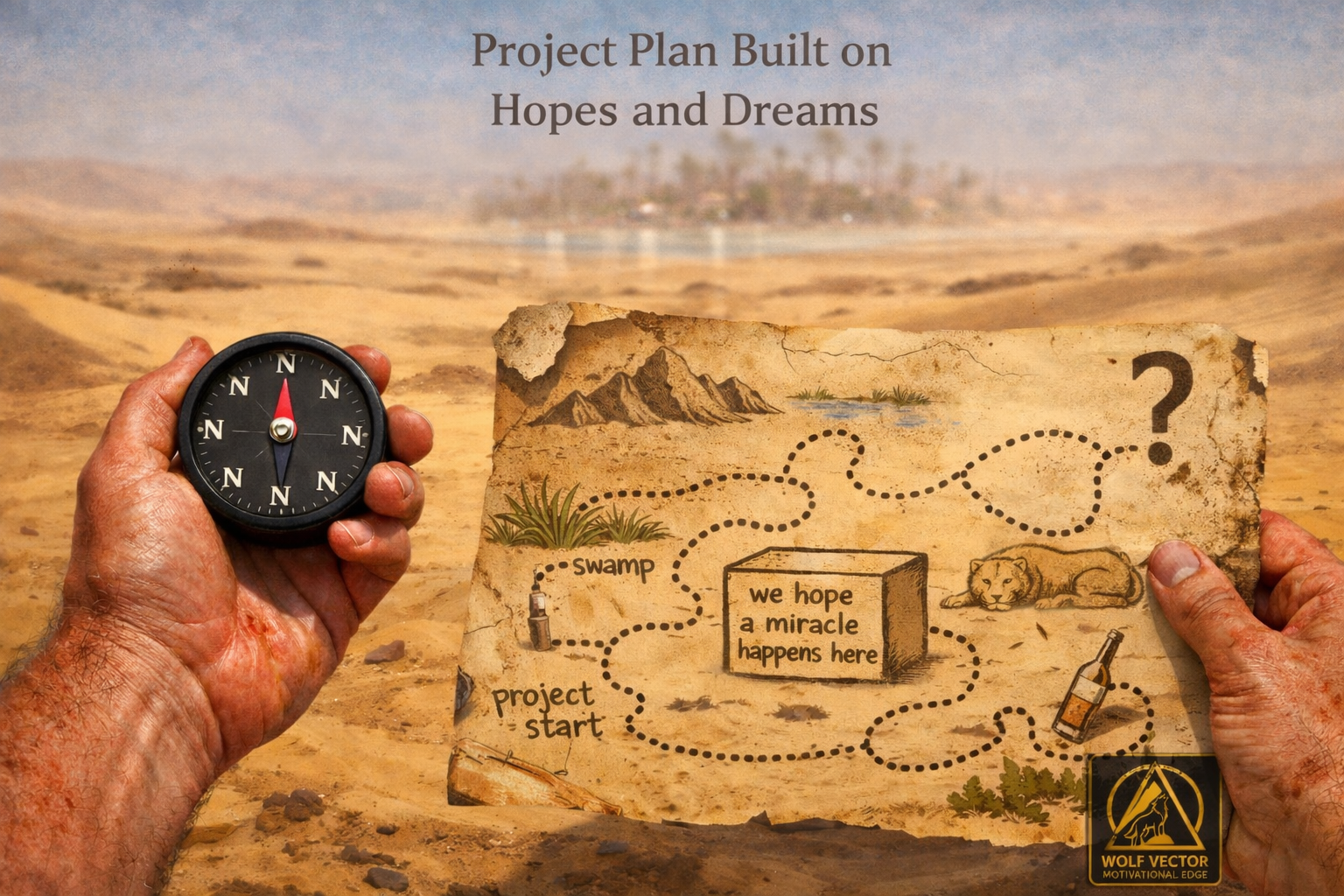
Hope Is Not A Plan
Hope is not a plan.
Projects fail when optimism replaces clarity, vague timelines replace real dates, and leaders rely on hope to close gaps that were never addressed in planning. Experienced project managers know that trust is built long before delivery—through precise language, visible risk management, and clear ownership of outcomes. This perspective explores why “hope-based planning” erodes confidence with sponsors and stakeholders, and what real project leadership looks like when accountability, realism, and execution matter.

No Plan Has Ever Survived First Contact
Most plans fail not because leaders didn’t plan hard enough, but because they planned as if reality would cooperate. Drawing from decades of military and project leadership experience, this article explores why no plan survives first contact, how predictable disruptions derail “perfect” plans, and why disciplined contingency planning, assumption validation, and calm adjustment under pressure are what actually drive successful outcomes.
Meetings Without Outcomes Are a Leadership Failure
Most meetings fail because leaders confuse activity with progress. Effective meetings are not about facilitation, slides, or participation theater. They are about clear intent, defined outcomes, the right people in the room, and real accountability. This article breaks down why meetings waste time and how leaders can turn them back into decision-making forums that actually move work forward.
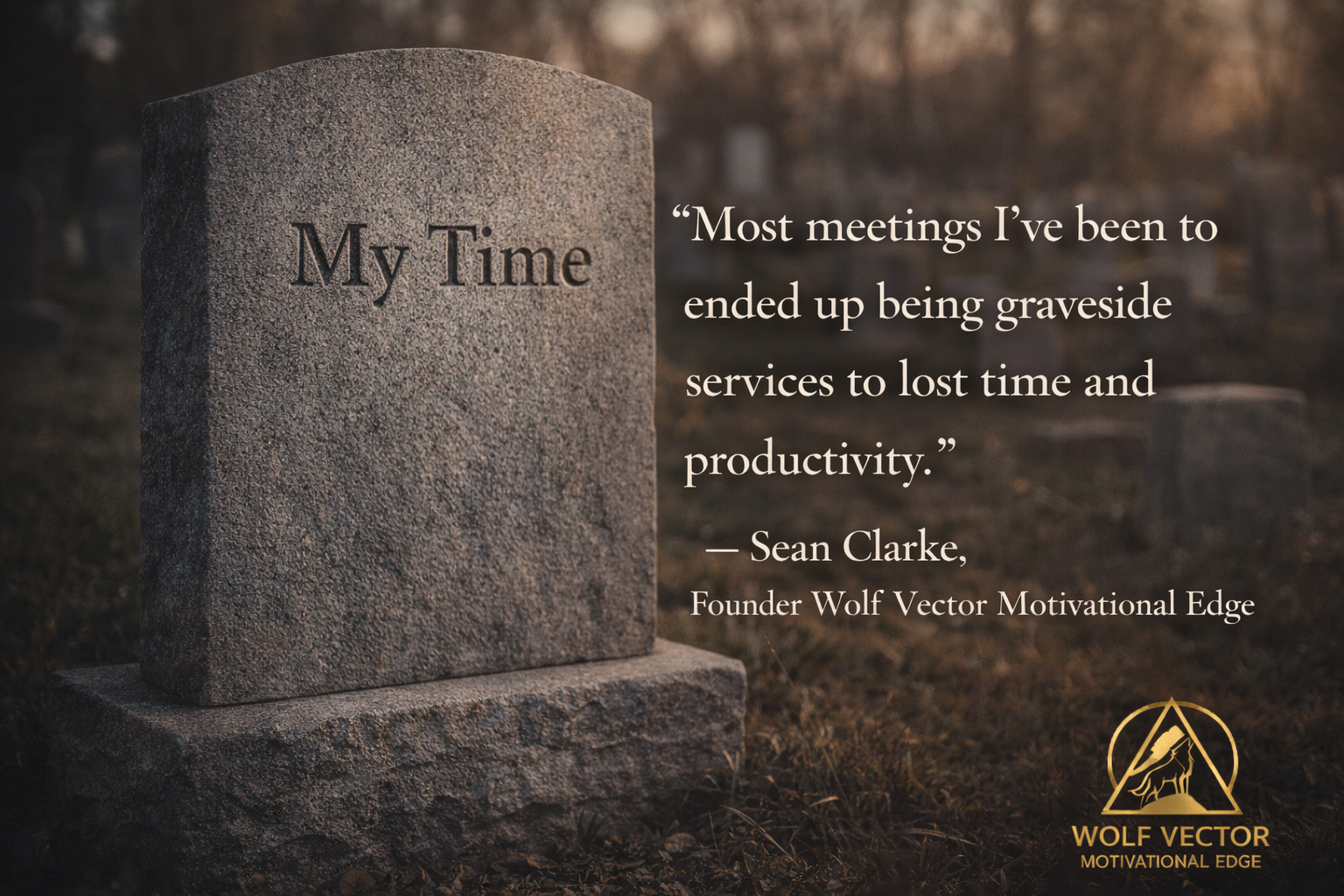
I Survived Another Meeting That Could Have Been an Email
Meetings consume more time than ever, yet deliver fewer decisions and less accountability. Drawing on research and lived leadership experience, this article examines why oversized, unfocused meetings drain momentum, how attendance size kills participation, and why leaders must start asking one hard question: “Why are we meeting?” Real leadership turns meetings back into decision forums, not spectator events.
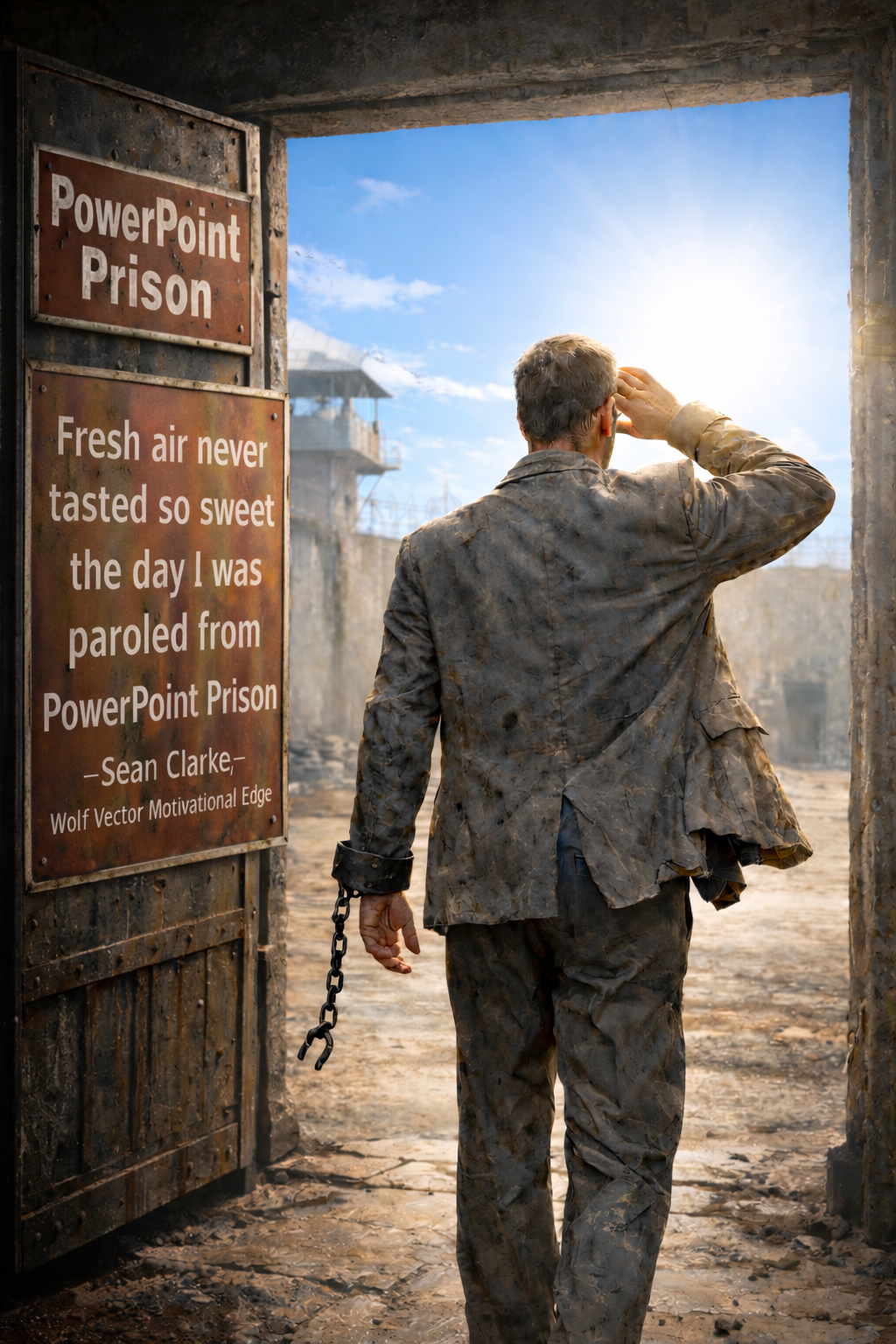
Paroled from PowerPoint Prison (Good Behavior Not Required)
PowerPoint was never meant to replace thinking, leadership, or communication. Drawing on decades of experience before slide decks became a crutch, this article explains why visuals should support presentations, not carry them, how overloaded slides turn audiences into prisoners, and what effective leaders do to inform, engage, and drive real decisions without wasting time.
The PowerPoint Deck Didn’t Kill the Room. Leadership Did.
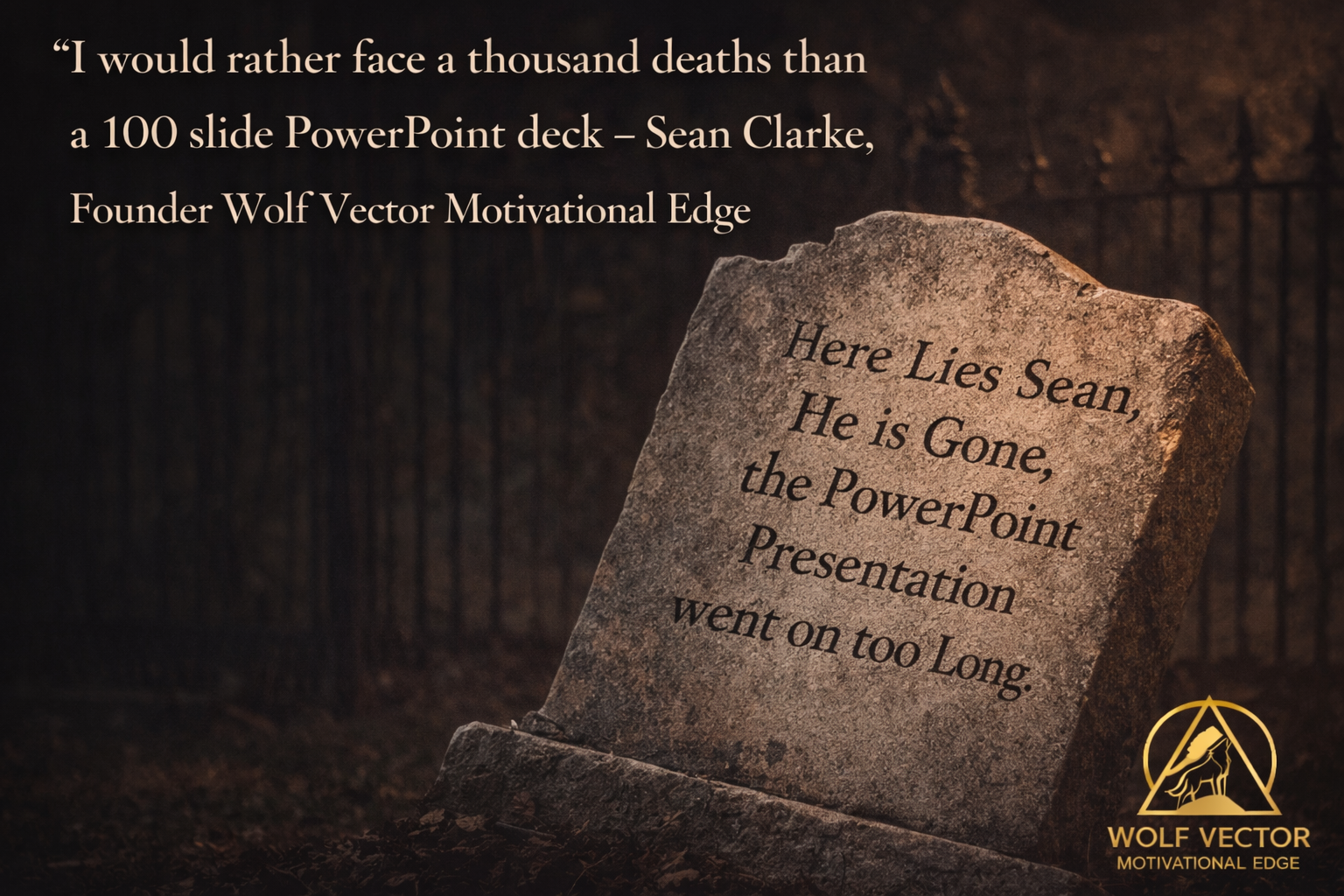
Overloaded slide decks don’t fail because of bad visuals. They fail because leaders outsource thinking and communication to PowerPoint. This article explores why massive presentations drain energy, obscure decisions, and quietly erode credibility, and why clear leadership, not more slides, is what actually moves an audience.

The Art of Leadership and the Science of Management
Most projects don’t fail because the tools were wrong.
They fail because leadership was missing.
After 30+ years in project delivery, one truth is consistent: leadership and management are not titles, and neither is optional. Leadership influences people. Management controls execution. When leaders confuse the two—or ignore one entirely—the cracks show up fast: delays, cost overruns, and lost confidence. This piece challenges leaders to stop hiding behind tools and start closing the gap that actually determines outcomes.

The Road to Hell is Paved with Good Intentions
Leadership isn’t judged by what you intended.
It’s judged by what your team experienced when pressure showed up.
Tone, availability, decisions, and what you tolerated all leave a mark.
If you’re not reviewing your leadership, your team already has.
Leaders Eat Last - Because Leaders Sacrifice First
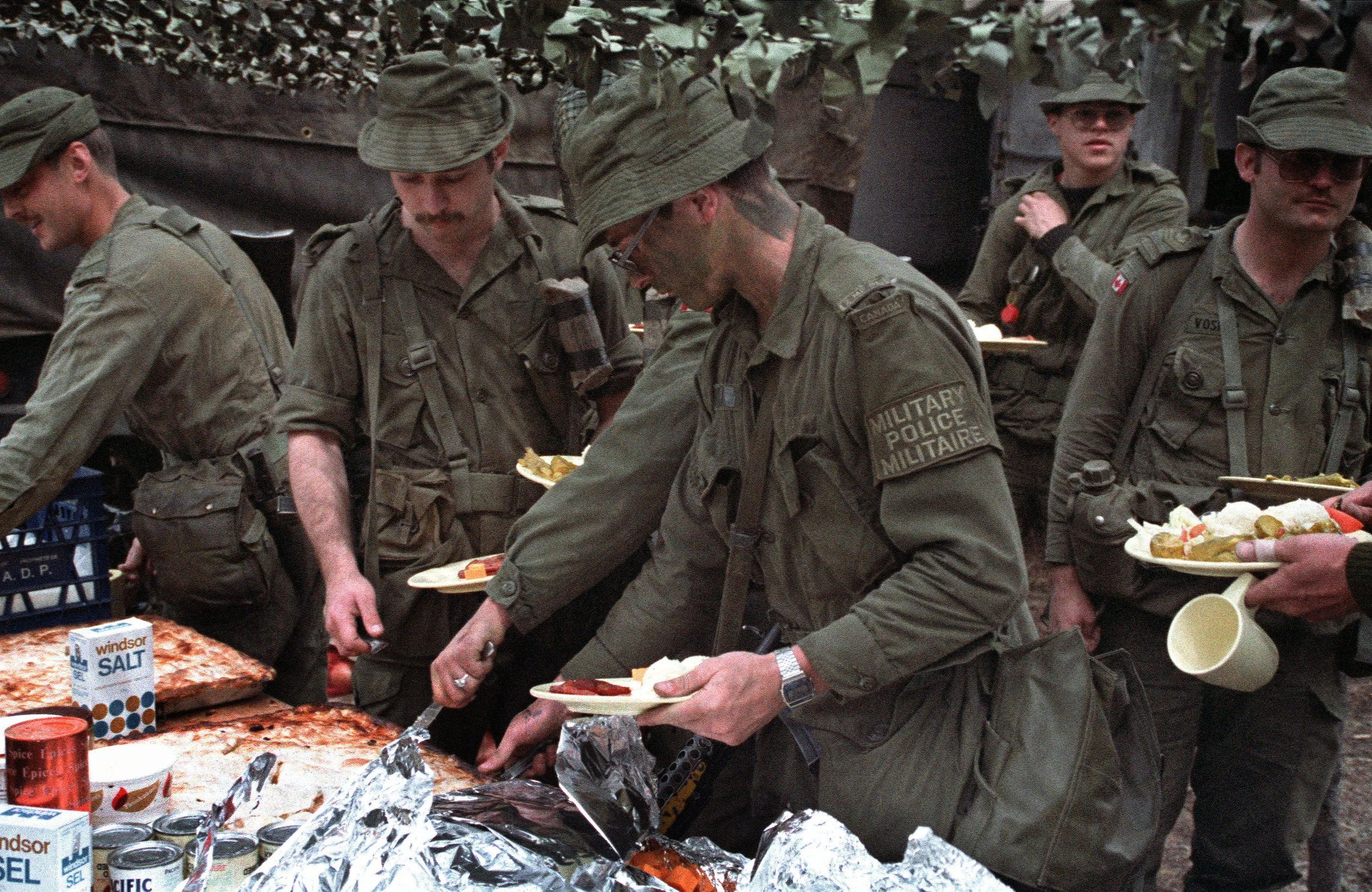
Leadership isn’t a title or a competency model. It’s sacrifice under pressure. Real leaders absorb risk so their people can breathe, eat, and focus. When leaders go last, teams notice. When leaders step forward first, trust forms. That ancient contract still defines credible leadership today.

Leading Friends - The Hardest Kind of Leadership
Leading people you once stood beside is one of the most demanding transitions in leadership. Authority changes the dynamic, whether you acknowledge it or not. Conversations pause. Expectations sharpen. Every decision carries weight beyond intent.

New Year’s Resolutions Are Houses Built on Hope and Quicksand
New Year’s resolutions aren’t strategy. They’re emotional IOUs written on hope and paid for later by disappointment. High-performing leaders don’t rely on motivation. They build systems, feedback loops, and plans that work when life pushes back. Hope isn’t a strategy. Discipline is.

2025 After Action Review
Rolling into 2026 without examining 2025 isn’t optimism—it’s neglect. This post challenges leaders to run a true After Action Review, confront what worked and what didn’t, and carry lessons forward intentionally instead of repeating the same outcomes under a new calendar year

Leading In The Pressure Cooker
By Day 3 of my first military leadership selection course, most of us were running on empty. The goal wasn’t knowledge—it was judgment under strain. This post looks at how leadership is really evaluated when stress removes every safety net.
Video Reel
If leadership was an easy job everyone would be good at it…….
Leading friends is not easy
A trajectory change comes from the smallest influences
Slow is smooth and smooth is fast